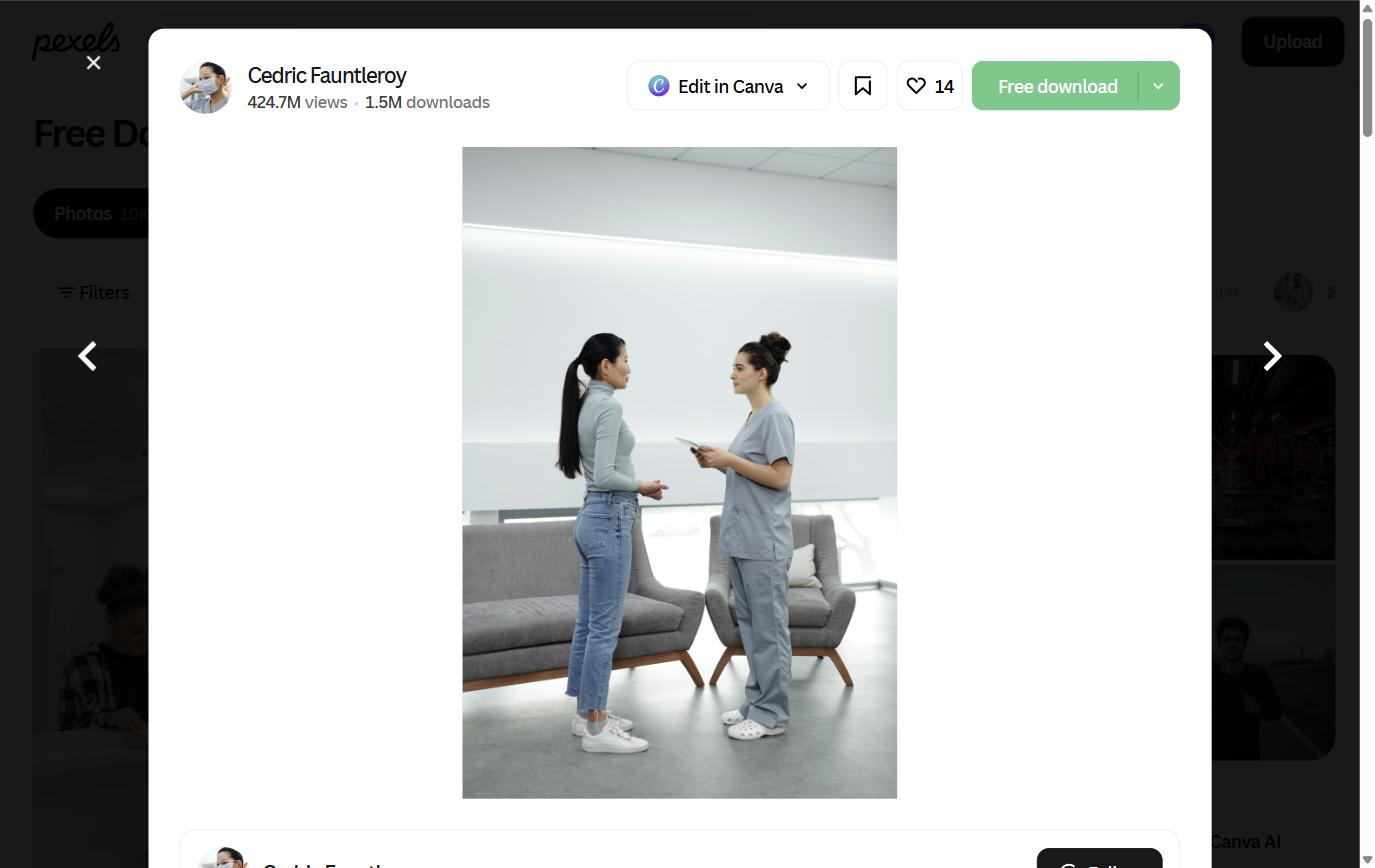
A community clinic near the border sees a woman from Oaxaca who speaks only a rare form of Mixtec and a teenager who arrived last month from Kharkiv with almost no English at all. Front desk staff used to keep a single bilingual nurse on call for every patient who needed help and that worked fine back when nearly everyone who walked through the door spoke Spanish.
The patient mix has shifted fast enough that one bilingual staffer can no longer cover what shows up in the waiting room on a typical Tuesday morning. Clinics that serve mixed immigrant populations now need language coverage that goes far beyond the one or two languages the front desk staff happen to speak themselves.
Administrators who plan for this shift early avoid the scramble that happens when a patient with an unusual language need is already sitting in the exam room waiting for someone to help. A clinic manager who actually tracks intake forms for a full year usually finds a dozen languages that never would have shown up on any staffing plan drafted five years earlier.
The shift is not limited to border towns either since resettlement patterns and seasonal labor now move unfamiliar languages into clinics far from any official port of entry. That spread is exactly why the old approach of hiring one more bilingual nurse and hoping for the best has quietly stopped working almost everywhere.
Why Phone Coverage Beats A Single Bilingual Hire
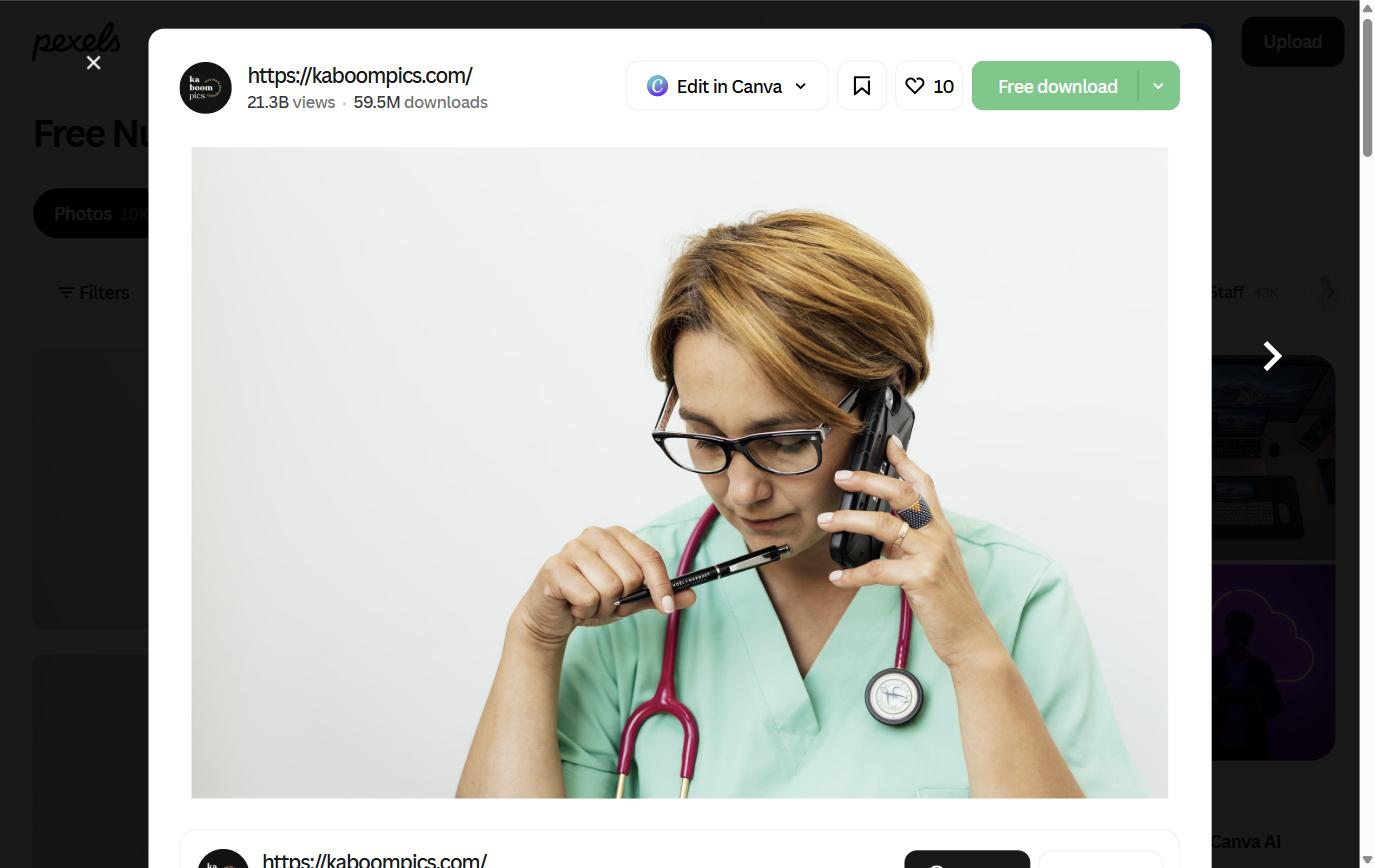
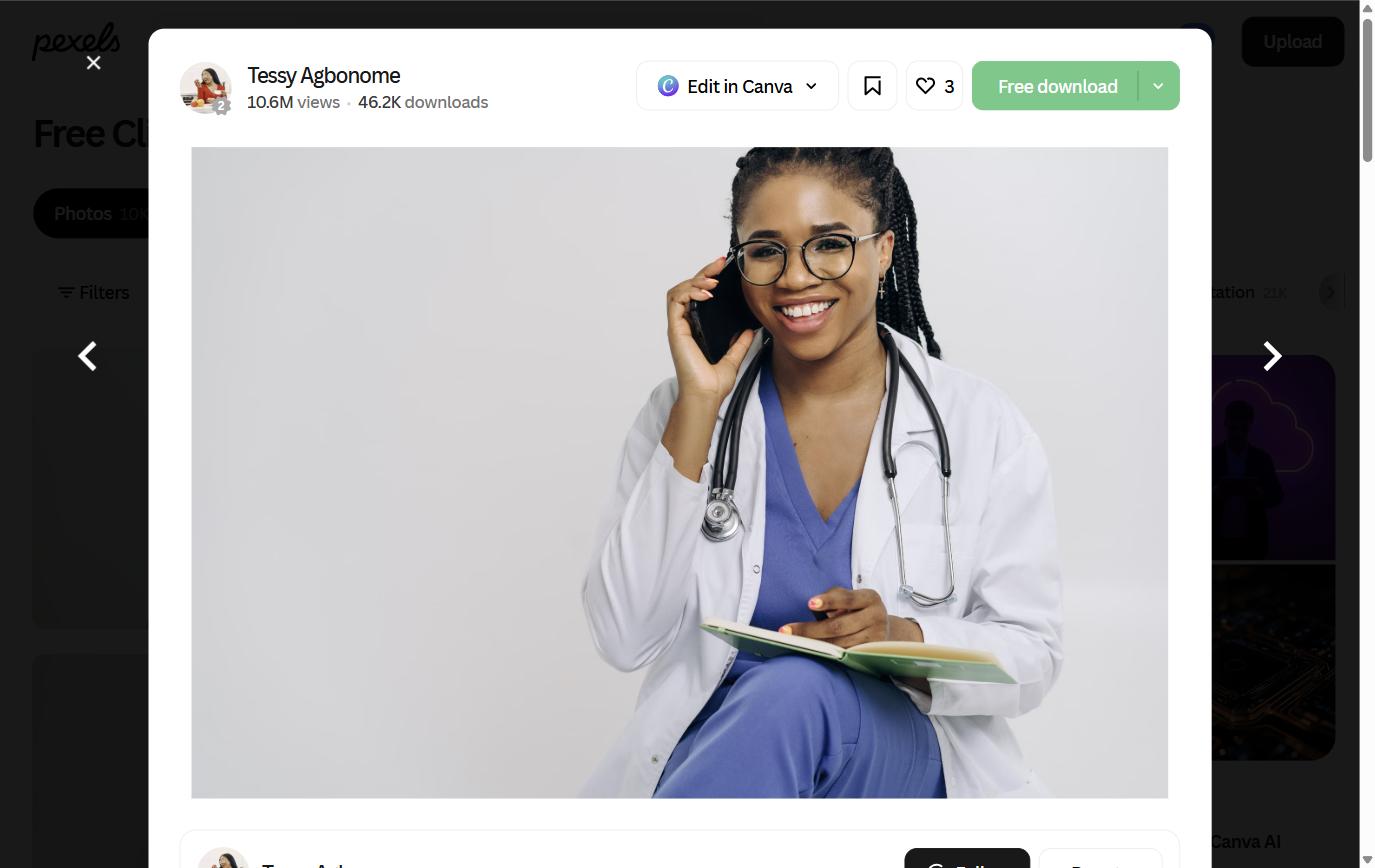
Hiring one more bilingual nurse solves exactly one language problem and leaves every other gap sitting there untouched. Clinics that need broader coverage on short notice increasingly turn to an over the phone interpretation company that can connect a nurse to a live interpreter in dozens of languages within a minute of the call going out.
A rare language request that used to mean canceling an appointment now gets handled the same day because the interpreter pool is no longer limited to whoever happens to be on staff that week. Clinics that tested phone interpreting during a slow week found the setup simpler than expected and the wait times shorter than a scheduled in person interpreter would ever allow.
Front desk staff who once dreaded an unfamiliar language on the intake form now treat it as a routine call rather than a crisis that derails the whole morning. That change in attitude alone tends to ripple through the rest of the visit and keeps everyone downstream calmer too.
Refugee Arrivals Bring Languages Nobody Planned For
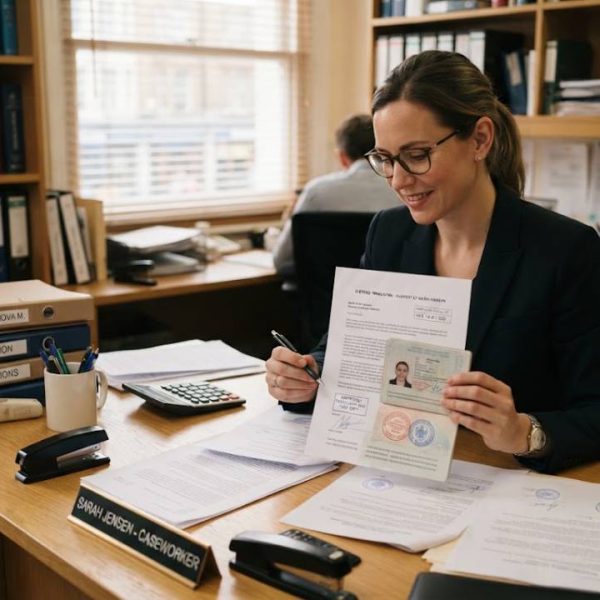
A sudden wave of arrivals from a new region can bring a language that never appeared on a clinic intake form before last year which is exactly what happened when families from Kharkiv started showing up at clinics that had never treated a Ukrainian speaking patient before. Clinics near resettlement offices increasingly need a reliable ukrainian translation service the same month a new group of families lands in the county with medical records nobody on staff can read.
A medication list written in an unfamiliar alphabet can cost a nurse real time during an intake visit that was already running behind schedule and that lost time compounds fast once three or four patients in a row need the same kind of help. Clinics that build a standing relationship with a translation partner before the next wave arrives spend far less time scrambling once the patients actually show up at the door.
Staff who have handled one refugee surge tend to build a simple language response plan afterward so the next surge does not catch the clinic flat footed again.
What Happens When Clinics Skip This Step
Skipping proper interpretation coverage feels manageable when the waiting room is quiet and every patient that day happens to speak familiar languages but the real cost shows up the day three unfamiliar languages arrive within the same hour and the front desk has no plan beyond hoping a family member can translate. The CDC has noted that language barriers remain a persistent factor in missed diagnoses and delayed treatment among patients with limited English proficiency.
A single missed allergy detail during a rushed conversation can turn a routine visit into a serious medical error that was entirely preventable and the WHO has flagged interpretation gaps as a recurring barrier to safe care in clinics that serve linguistically diverse communities. Clinics that have lived through one serious language related error rarely go back to relying on whoever happens to be available at the front desk that day.
Training Staff Changes The Whole Visit
Nurses who have never used a phone interpreter before often feel awkward on the first few calls and rush through the conversation faster than they should which is why a short training session on pacing and phrasing makes such a noticeable difference in how naturally a phone interpreted visit actually flows. Clinics that practice a few sample calls before the first real patient interaction report far fewer awkward pauses once the system goes live for good.
Staff who learn to speak in shorter segments give the interpreter room to translate accurately rather than trying to keep up with one long uninterrupted sentence and a nurse who masters that rhythm can complete a phone interpreted visit almost as quickly as one conducted entirely in English. Some clinics record a short internal guide after the first month so every new hire gets the same pacing tips instead of learning the hard way through a string of awkward calls.
A receptionist who understands the basic flow can also reassure a nervous patient that the wait for an interpreter will be short rather than open ended.
Building A System That Scales With The Community
Clinics that treat interpretation as a core part of intake rather than an afterthought handle language surprises with far less friction than clinics that never bother to plan ahead. A documented process for requesting an interpreter means new staff can follow the same steps without needing a veteran nurse to walk them through it every single time.
Clinics that track which languages come up most often can staff bilingual employees strategically while still keeping phone coverage in place for everything else that shows up unannounced. A shared log of past language requests helps administrators spot a new community trend before it becomes an emergency in the middle of a busy shift.
Clinics that review their language access plan every year tend to catch gaps long before those gaps turn into a missed diagnosis or a frustrated patient walking out the door. The clinic near the border eventually built exactly this kind of system after the Mixtec speaking patient and the Ukrainian teenager arrived within the same season.
Staff now request a phone interpreter the moment an unfamiliar language shows up on the intake form rather than waiting to see if someone nearby happens to help. The administrator later said the shift changed how the whole clinic thinks about every new patient who walks through the door and patients now leave their appointments with a clear understanding of their diagnosis regardless of which language they walked in speaking that morning.