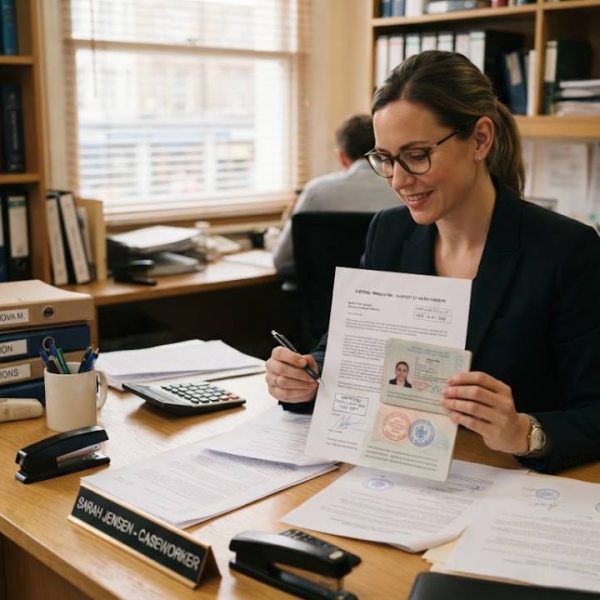
Spanish is spoken in dozens of countries, and every region has its own habits, terms and tone. That is why native linguists matter when documents must be exact. This article explains how to work with native Spanish specialists on legal, business and personal papers.
Spanish Is Not One Single Voice
Vocabulary and style differ between Spain, Mexico, Argentina and other countries. A native linguist knows which version fits your reader.
Why Native Speakers Matter
People who grew up in the language understand rhythm, politeness and idioms. Their choices sound natural rather than literal.
Define Your Target Region
Tell the linguist where the text will be used. This lets them choose suitable spelling, formal address and legal terms.
Understand Formal and Informal Address
Spanish uses different forms for you, depending on closeness and respect. Official documents usually need the formal style.
Share the Document Purpose
Explain whether the text is for a court, a school, a company or a personal file. Purpose shapes vocabulary and layout.
Legal Papers Need Precision
Contracts, powers of attorney and court records follow strict wording. A single mistranslated term can change a right or duty.
Business Documents Need Clarity
Reports, offers and policies should read smoothly for local partners. Natural language builds trust and avoids misunderstandings.
Personal Records Require Exactness
Names, dates and places must match official ID. Certificates such as marriage certificate translation projects follow special formatting rules for immigration and civil offices.
Health Information Must Be Accurate
Patient records and prescriptions use specialised terms. Providers of medical translation services rely on linguists trained in medical language to protect patients.
Check Names and Accents
Spanish uses accents and special letters. Preserve them exactly, since they appear on passports and legal papers.
Handle Double Surnames Carefully
Many Spanish speakers use two family names. Keep the order shown in the original record to avoid confusion.
Use Reliable Language Resources
Institutions that study and promote the language provide guidance. The Instituto Cervantes shares courses, dictionaries and cultural information.
Provide a Glossary
List company terms, product names and preferred spellings. A shared glossary keeps style consistent across documents.
Allow Time for Review
A second reader catches small errors in numbers, dates and punctuation. Plan time for this check in your schedule.
Clarify Currency and Date Formats
Spanish speaking countries often write dates as day, month, year. Agree on a clear format to avoid mistakes.
Mind Units and Addresses
Street formats and measurements vary by country. Linguists adapt them so local readers can use them easily.
Keep Formatting Intact
Tables, stamps and signatures are part of many documents. Ask for a final file that mirrors the original layout.
Explain Certifications
Some offices accept only translations with a signed statement. Confirm requirements before you order.
Protect Confidential Information
Choose linguists who sign confidentiality agreements. Use secure file transfer for sensitive records.
Communicate Clearly and Early
Answer questions quickly, and share background material. Good communication prevents delays.
Give Constructive Feedback
If something looks unusual, point to the exact line. Specific comments help the linguist improve the text quickly.
Build a Long Term Relationship
Working with the same specialist saves time. They learn your preferences and vocabulary.
Review Costs Fairly
Quality work takes training and care. Compare value, not only price, and ask what is included.
Keep Records Organised
Save sources, translations and certificates together. You may need them again for future applications.
Learn a Little Spanish Yourself
Even basic knowledge helps you review names and numbers. It also builds respect with Spanish speaking partners.
Respect Cultural Habits
Greetings, titles and politeness carry weight. A thoughtful tone opens doors in business and official settings.
Plan for Updates
Documents change as laws and products change. Keep approved terms for future versions.
Use Technology Wisely
Translation memory and glossaries help with consistency. Native linguists still make final decisions on tone and meaning.
Avoid Rush Projects
Allow enough time for careful work. Rushed texts are more likely to contain errors that cost more later.
Ask About Dialect Experience
Request examples of work for your target country. Experience with a regional variety reduces revision rounds.
Prepare Source Files Well
Send clear scans or editable files. Readable originals prevent mistakes with names and numbers.
Discuss Legal Terminology Early
Agree how to render terms that have no exact match. A short note can explain the choice for officials.
Confirm Delivery Timelines
Share your deadline and ask for a realistic plan. Complex documents need review time.
Verify Final Details Yourself
Check names, dates and amounts against originals before submitting. A final personal review prevents embarrassing errors.
Think About Future Needs
If you expect more documents, keep contact with the same linguist. Ongoing cooperation makes later requests quicker.
Value Human Judgement
Software can help with drafts, but meaning and tone need a human choice. Native linguists decide what sounds right.
Start With a Small Sample
Test a short text to see quality and communication. It reduces risk before a larger order.
Final Thoughts
Native Spanish linguists bring accuracy, tone and cultural insight that software cannot match. Share clear briefs, agree on regional style and allow time for review. With the right partner, your important documents will be correct, natural and accepted wherever you need them.