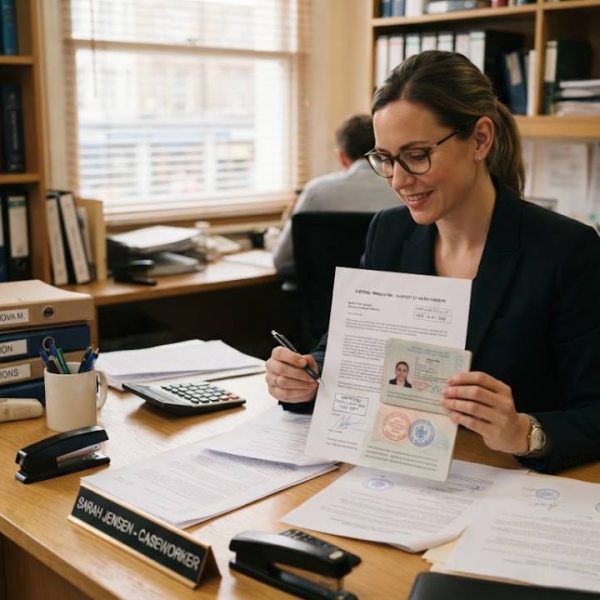
Legal documents leave very little room for error. A single mistranslated word in a contract, a power of attorney or a court order can change the meaning of an entire clause, delay an application or even cancel a deal. Spanish and English look close enough that many people assume the work is easy. In practice, the similarities are exactly what make mistakes so common, and a careful process protects both the client and the reader.
Understand Certified and Sworn Translations
Many authorities do not accept a plain translation. They ask for a certified one, where the translator confirms that the text is complete and accurate, or for a sworn one, where a translator officially recognized by a government signs and stamps every page. The name and rules differ by country, so always ask the receiving office exactly what it expects before you order anything.
In Spain, for example, official bodies often require a sworn translator. This guide on sworn translation of criminal record certificates in Spain explains how the process works in practice and why the details matter.
Watch Out for False Friends
Some Spanish words look like English ones and mean something completely different. The Spanish word demanda usually means a lawsuit, not a demand. Actual means current, eventual means possible, and constipado means having a cold. In legal texts the risk is even higher, because words such as notario and fiscal point to roles that do not match the English notary or fiscal officer exactly.
Never translate a legal term by how it looks. Translate it by what it does in the legal system of the document. That one habit prevents most expensive errors.
Respect the Original Layout
Official documents often include headers, tables, seals, signatures, handwritten notes and stamps. A good translation keeps the same structure so that a reader can compare both versions side by side. Elements that cannot be translated, such as a signature or an illegible stamp, should be described in square brackets, for example [signature] or [official stamp].
Handle Names, Dates and Numbers With Care
Spanish names often include two surnames, and the order matters for identity checks. Keep them exactly as written in the original document and do not merge or reorder them. Dates are usually written day, month, year, so a date such as 03/04/2022 means April 3 and not March 4. Numbers can also confuse readers, because many Spanish speaking countries use a comma for decimals and a period for thousands.
Remember That Spanish Varies by Region
Spanish is spoken in more than twenty countries, and legal vocabulary changes between them. A term common in Mexico may sound unusual in Spain or Argentina. Tell your translator where the document comes from and where it will be used. For questions about standard usage, the Instituto Cervantes is a reliable reference for the Spanish language and its variants.
Choose a Native Linguist With Legal Experience
Fluency is not enough. A legal translator needs to know both legal systems, the type of document and the purpose of the translation. A person who translates marketing copy beautifully may still struggle with a divorce decree or a notarial deed. Ask about the translator's specialization, and look for clear quality checks such as a second linguist reviewing the work.
Common Documents That Need Translation
The most frequent requests include birth, marriage and death certificates, powers of attorney, company statutes, employment contracts, court rulings, academic records and police certificates. Each type has its own vocabulary and its own formal conventions. Prepare clear scans, make sure every page is included and mention any deadlines at the start.
Plan for Time and Review
Legal translation takes longer than many people expect, especially when certification, stamps or postal delivery are involved. Leave extra time for questions and corrections. Always read the finished version carefully, checking names, dates, addresses and numbers against the original. A quick review at this stage is far easier than fixing a rejected application later.
Working Across Iberia and Latin America
Businesses that operate in Spain, Portugal and Brazil often need documents to move between Spanish and Portuguese as well as English. Related languages bring their own traps, because many words look alike and still differ in meaning. For that reason, companies often request Spanish to Portuguese translation from linguists who work natively in both languages.
Protect Confidential Information
Legal files often contain personal data, financial details and trade secrets. Before you send documents to a translator, ask how files are stored, who can access them and whether a confidentiality agreement is in place. Share only the pages that are needed, and delete copies you no longer require. Responsible handling of sensitive material is a basic sign of a professional service, and it protects everyone involved in the case.
Keep a Glossary for Repeat Projects
If you translate legal documents regularly, create a shared glossary of approved terms, company names and standard phrases. It keeps different documents consistent, speeds up future projects and gives reviewers a reference to check against. Over time this simple list becomes one of the most valuable assets of your translation process.